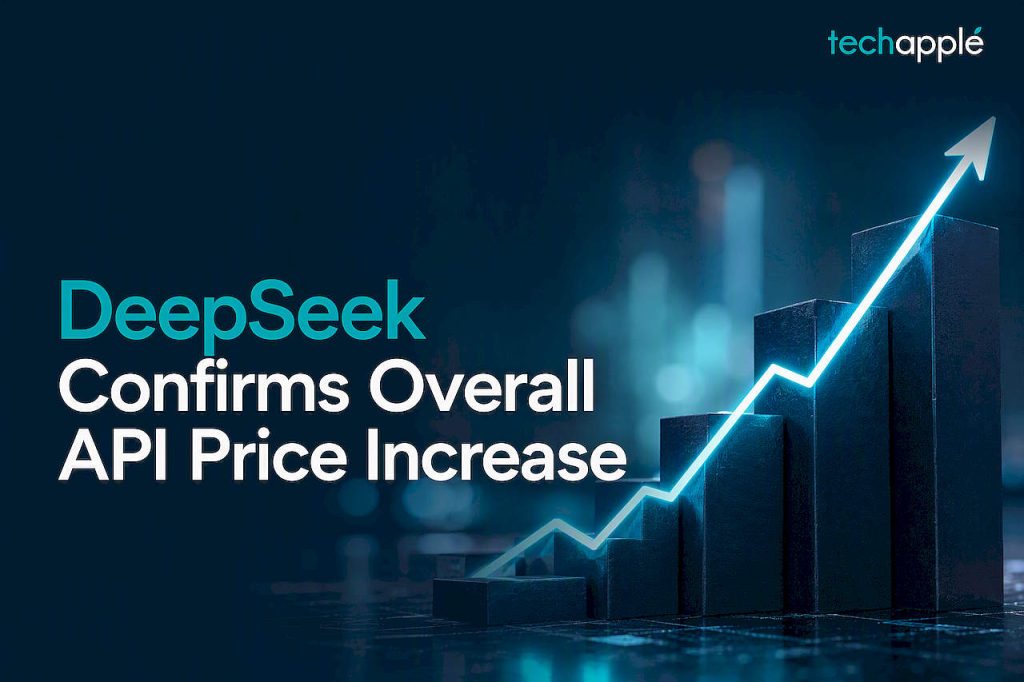
DeepSeek Confirms Overall API Price Increase
DeepSeek has emailed API users to confirm plans to raise overall pricing for its API services in the near term, warning that the increase is expected to be significant. The company said the specific pricing plan will be subject to official notice.
Key Points From the Notice
In the email, DeepSeek said it plans to raise overall pricing for DeepSeek API services in the near future, with a significant increase expected, and advised users to plan their usage accordingly. The specific pricing plan will be subject to official notice, and users are told to keep an eye on Open Platform announcements and email updates. The notice adds that continuing to use the services after the billing adjustment will be deemed acceptance of the adjusted terms; users who do not agree may cancel their service and apply for a refund.
Cost Pressure Behind Low-Price Strategy
DeepSeek has long been known for ultra-low pricing and is often seen as the face of affordable AI. The warning comes less than a week after the launch of V4-Flash, a lightweight model that independent tests ranked among the cheapest well-known models to run, drawing heavy usage and adding strain on compute resources. Reports say DeepSeek has been trialing dynamic pricing during peak hours, including a plan to double charges in high-usage periods, though this has not been activated.
A Few Notes From a Fellow User
We are DeepSeek API users ourselves, so this adjustment hits close to home. For small developers, model costs directly affect product pricing; until the new price schedule is published, reviewing current usage and budgeting ahead are the practical moves. Meanwhile, not all AI pricing is going up. OpenAI recently cut prices on only some of its models, including an 80% reduction for GPT 5.6, rather than a uniform discount across the lineup. With providers adjusting prices model by model, developers may want to compare cost and capability case by case instead of relying on brand names.
Source: TechNode